
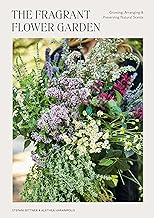
Stefani Bittner and Alethea Harrampolis combine their talents and experience in gardening and floral design in their book, The Fragrant Flower Garden. With an emphasis on eco-friendly methods, the authors cover many topics from practical tips to aesthetic considerations. They provide a guide for growing fragrant plants whether you have a container or large plot and give directions for using the harvest in flower arrangements as well as in beauty products.
The book is divided into four chapters. The first, Gardening with Fragrance, covers basic topics such as growing conditions, plant combinations, and design tips. In addition, it provides suggestions for ground covers and night-fragrant plants as well as for cut-flower, culinary and medicinal, and container gardens. Plant lists are included for all topics giving both the common and botanical names.
The second chapter presents 55 profiles for plants that can be used in a fragrant garden, divided into groups based on their growth habit: trees, shrubs, perennials, annual, vines, and bulbs. Each profile includes a description of the plant and its history, the scientific name, common name, growing requirements, ideal planting locales, and scent profile. In some profiles, species and/or varieties are named and a photograph is provided. Some of the plants are old favorites like lavender, lilac and jasmine while others are less familiar like chocolate cosmos, flowering tobacco, and butterfly ginger.
The third and fourth chapters consider harvesting and using scented plant material including stems, leaves, flowers and fruit. Six arrangements, including a wreath, are presented with a list of plant material, step by step directions, and a photograph of the completed project. In a similar fashion, a list of materials and step by step directions are given for five health and beauty products: jasmine and citrus blooming oil, potpourri tub soak, gardenia stick perfume, healing hydrosol, and aromatic garden tincture.
The Fragrant Flower Garden offers a fresh look at some of the possibilities of having a fragrance garden. The writing style is casual and friendly and the photographs capture the color and texture of the plant material. The selection of plants is fairly large but includes plants like feverfew and yarrow that have a scent but may not be considered truly fragrant. Because the authors are based in northern California, a significant number of the plants they recommend may not suitable elsewhere in the US.
To buy The Fragrant Flower Garden from Amazon.com, click here.