
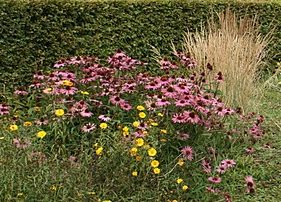
Sedges offer numerous benefits to meadows and some can be used instead of turf grass for lawns. They are aesthetically pleasing and play a significant role in in the ecological balance of a garden. With their fibrous roots they stabilize the soil and foster microbial activity which enhances soil fertility and structure. Their foliage and flowers provide habitats and food for diverse wildlife and thereby contribute to biodiversity. As the seasons move from spring to fall, various sedges can add shades of greens, browns and bronze tints to the landscape. In addition, sedges can provide diverse textures, heights, and movement to the scene. Best of all, sedges are low maintenance and they suppress weeds, which reduces the need for herbicidal interventions and helps conserve resources. Use sedges in meadows with grasses and bold colored flowering plants or alone as a lawn. Photo Credit: Sten, Wikimedia Commons
Appalachian Sedge (Carex appalachica)
Native Range: Eastern temperate forests of US from Maine to Ohio to North Carolina and Tennessee.
Size: 4-6″ H
Outstanding Characteristic: Fine texture; good choice for use in small meadow or as a natural lawn in dry shade
USDA Hardiness Zones: 4-8
Photo Credit: Daderot, Wikimedia Commons
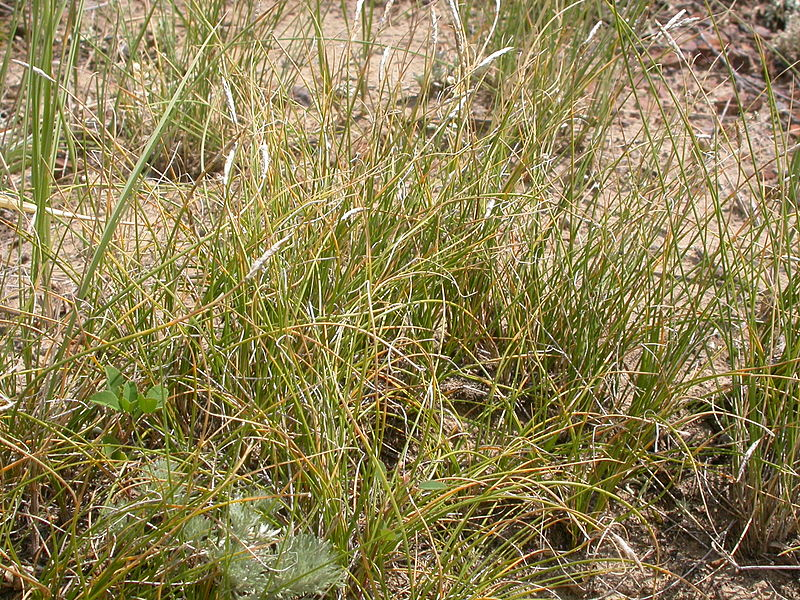
Thread Leaf Sedge (Carex filifolia)
Native Range: Moist and dry habitats from the Great Plains to the foothills of the Rocky Mountains.
Size: 4-6″ H
Outstanding Characteristic: Turns burnished copper color in winter
USDA Hardiness Zones: 4-9
Photo Credit: Matt Lavin, Wikimedia Commons
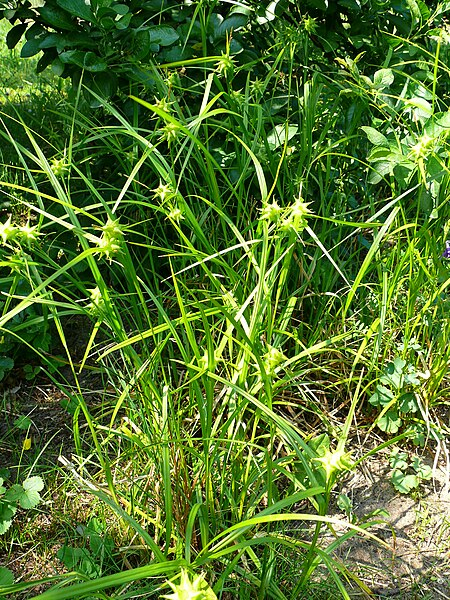
Gray’s Sedge/Mace Sedge (Carex grayi)
Native Range: Eastern US
Size: 2-3′ H
Outstanding Characteristic: Seed heads resemble spiked clubs; useful in moist shady meadow
USDA Hardiness Zones: 3-9
Photo Credit: Aha, Wikimedia Commons
Glaucous Woodland Sedge (Carex laxiculmis)
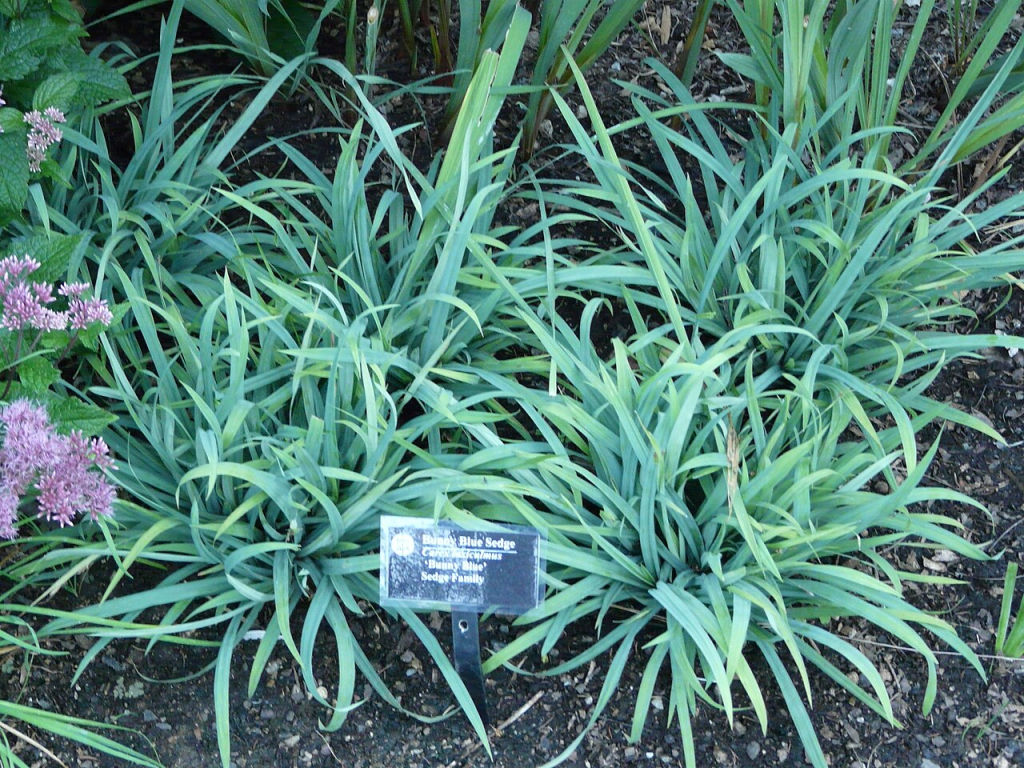
Native Range: Central and eastern US
Size: 6-8″ H
Outstanding Characteristic: Tolerates heat and humidity; good groundcover; ‘Bunny Blue” outstanding cultivar (shown at right)
USDA Hardiness Zones: 4-9
Photo Credit: Piotrus, Wikimedia Commons
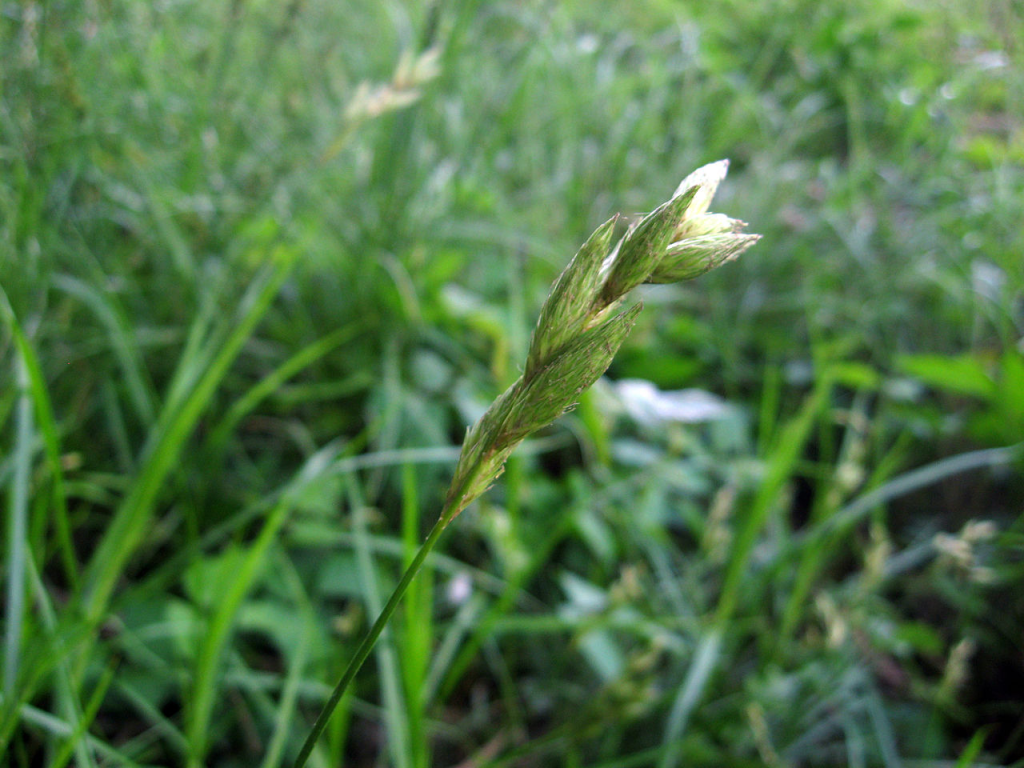
Palm Sedge (Carex muskingumensis)
Native Range: Wet areas of Midwest US
Size: 2-3′ H
Outstanding Characteristic: Tropical feel; ‘Ice Fountains’ (white variegated), Little Midge” (dwarf), and ‘Oehme’ (gold) outstanding variegated cultivars
USDA Hardiness Zones: 4-9
Photo Credit: Mason Brock, Wikimedia Commons
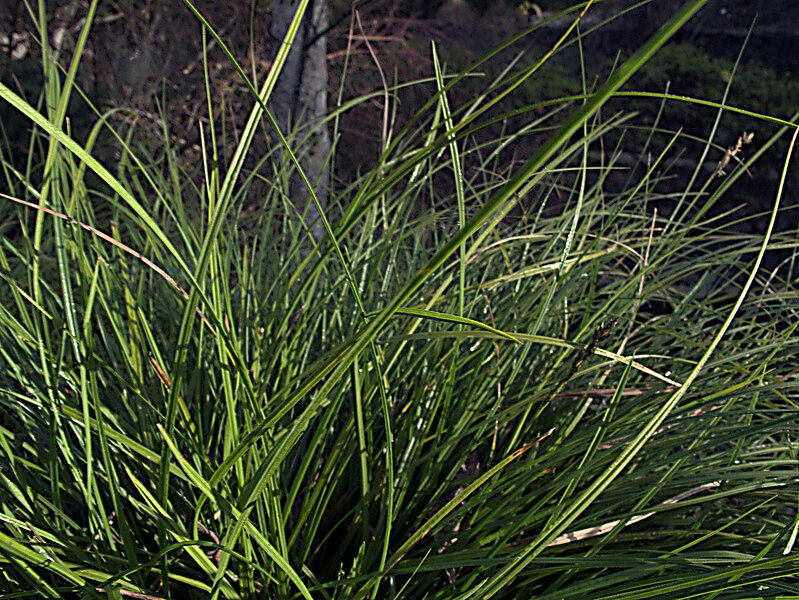
California Dune Sedge (Carex pansa)
Native Range: Dunes and sandy soils of western coast of US from Alaska to California
Size: 8-12″ H
Outstanding Characteristic: Use in meadow or lawn in sun or light shade; heat tolerant
USDA Hardiness Zones: 6-9
Photo Credit: John Rusk, Wikimedia Commons
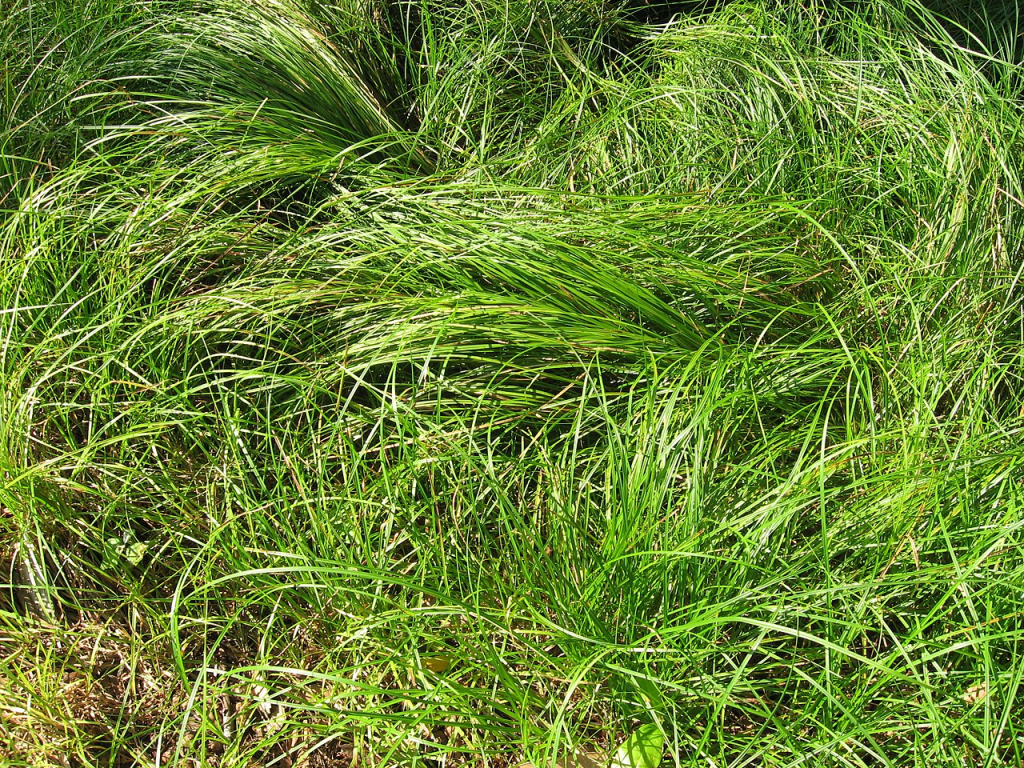
Pensylvania Sedge (Carex pensylvanica )
Native Range: Dry to moist soils of woodlands in eastern and central North America from Quebec to Manitoba south to Mississippi and Georgia.
Size: 6-12″ H
Outstanding Characteristic: Tolerates foot traffic; use as groundcover in dry shade
USDA Hardiness Zones: 4-9
Photo Credit: Chhe, Wikimedia Commons
Plantainleaf Sedge (Carex plantaginea)
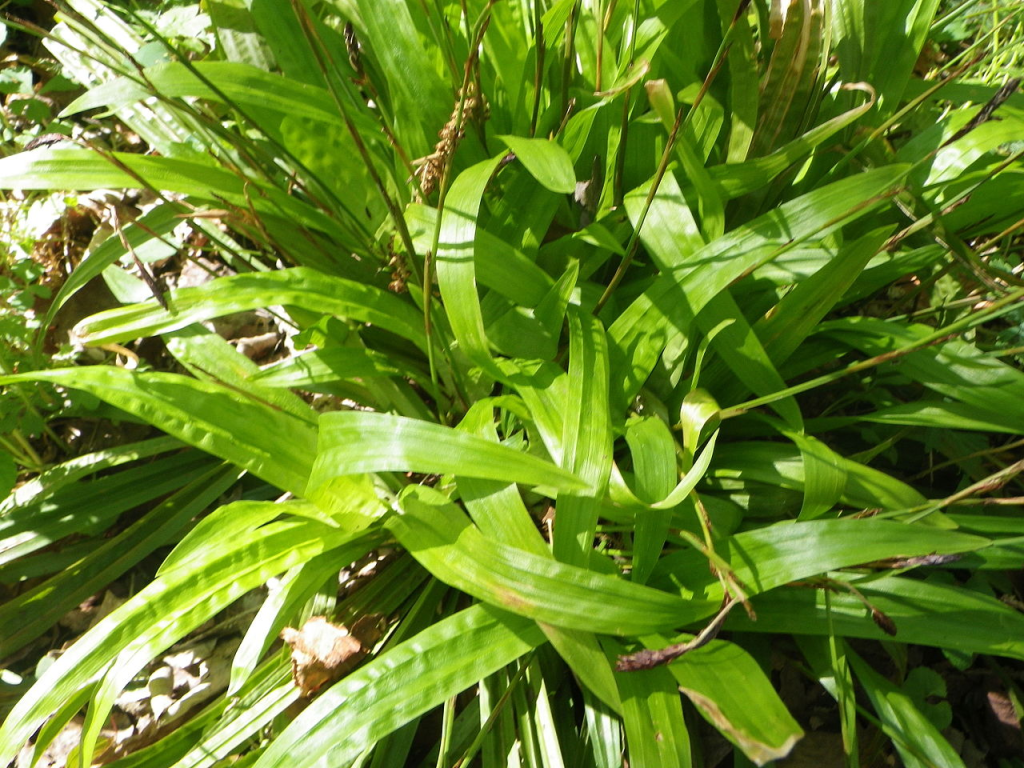
Native Range: Eastern North America, from New Brunswick to Georgia, west to Minnesota and Iowa
Size: 6-12″ H
Outstanding Characteristic: Tolerates rocky or alkaline soil and some drought, will adapt to difficult dry shaded sites.
USDA Hardiness Zones: 4-9
Photo Credit: Halpaugh, English Wikipedia
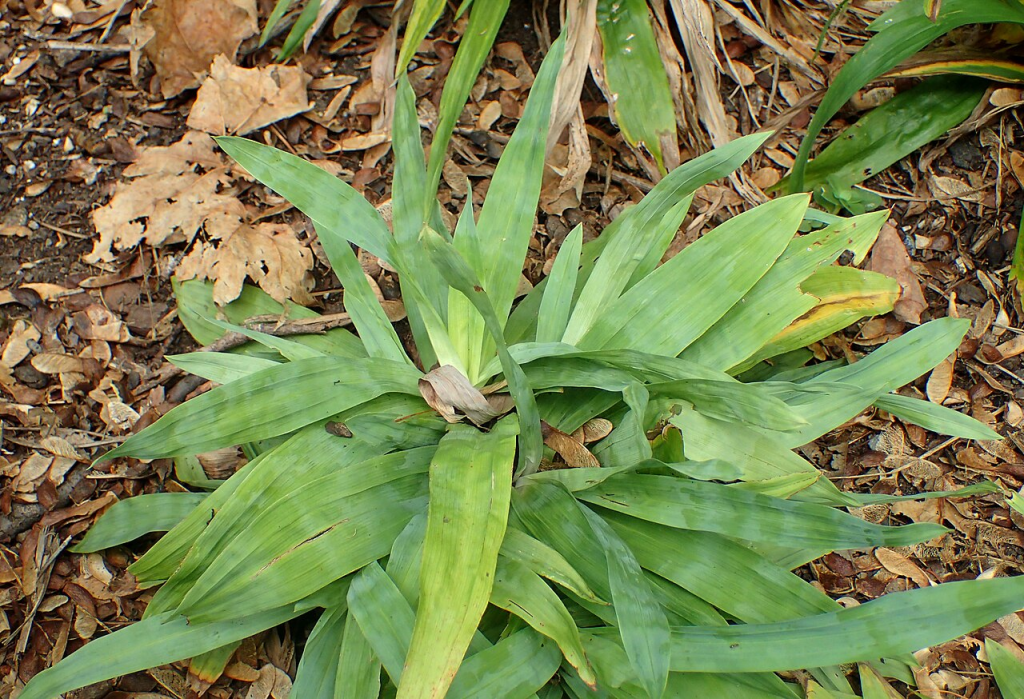
Silver Sedge (Carex platyphylla)
Native Range: North-central and eastern US
Size: 6″ H
Outstanding Characteristic: Rich silvery blue leaves; use as groundcover in shady meadow
USDA Hardiness Zones: 4-9
Photo Credit: Krzysztof Ziarnek, Wikimedia Commons
Western Meadow Sedge (Carex praegracilis)
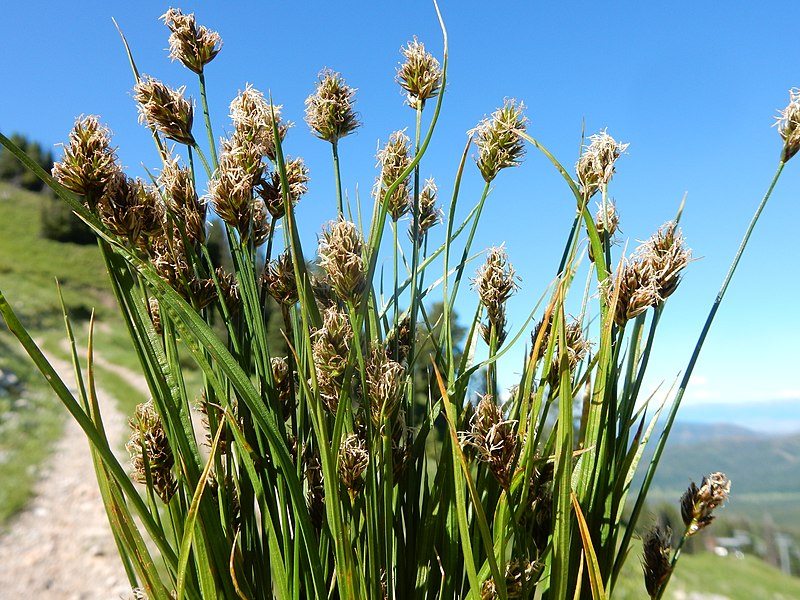
Native Range: Wet habitats of much of North America, from Alaska across southern Canada and throughout the continental US, from California to Maine, except for the southeast.
Size: Variable height depending of location; up to 3′ tall
Outstanding Characteristic: Mostly evergreen; use as lawn in full sun to light shade
USDA Hardiness Zones: 6-9
Photo Credit: Matt Lavin, Wikimedia Commons
Catlin Sedge (Carex texensis)
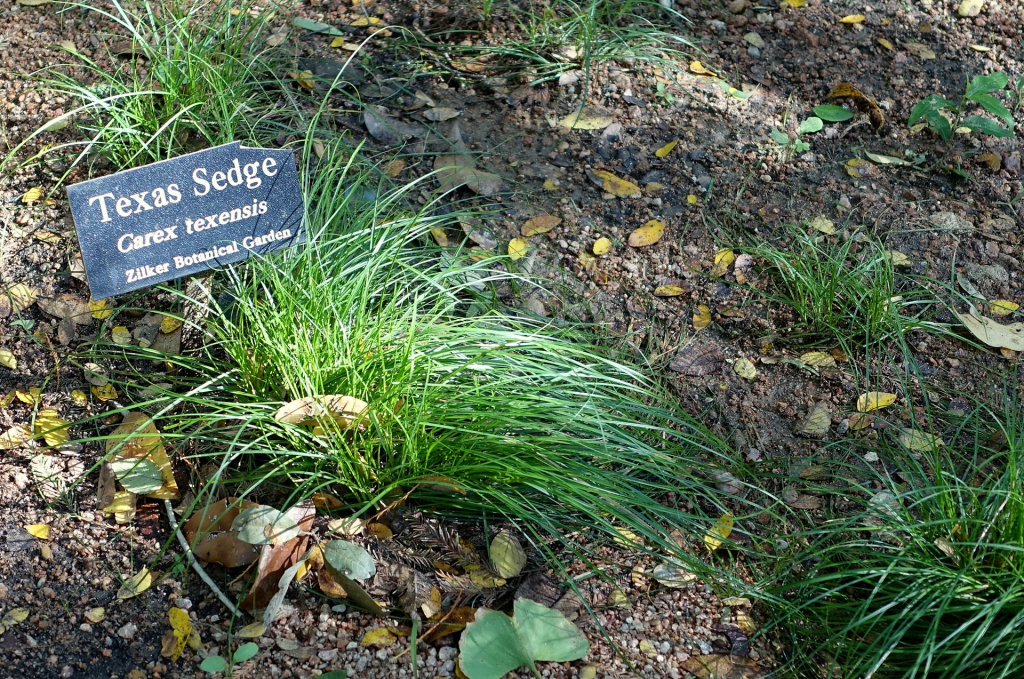
Native Range: Eastern and southern US
Size: 4-6″ H
Outstanding Characteristic: Mat-like habit; drought tolerant; use for lawn shade
USDA Hardiness Zones: 5-9
Photo Credit: Daderot, Wikimedia Commons