
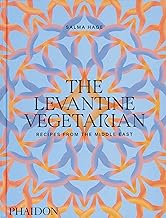
In her cook book, The Levantine Vegetarian, Salma Hage, an expert on Middle eastern home-cooking, draws on the diverse culinary traditions of the Levant, an Eastern Mediterranean area that includes Palestine, Israel, Jordan, and parts of Egypt and Turkey. She draws on her own experiences growing up in Lebanon to produce 140 vegetarian recipes that are healthful and combine the unique flavors of many different cuisines. Written in a casual style, the book includes tips from Hage’s extensive expertise in the kitchen that make the recipes more approachable and fun to execute.
The book is divided into sections that include snacks, small plates, soups, sandwiches, breads, sauces salads, grains, desserts and drinks. Hage’s versions of traditional recipes such as freekeh tabbouleh, red cabbage shawarma, and beet root mauhmmara stand along the side her fusion recipes such as ricotta balls with preserved lemon and aleppo pepper, za’atar cuke noodle salad, and baharat spiced vada pav with date and tamarind. The section on sauces includes recipes for pomegranate molasses, rose harissa, and garlic tahini sauce. Other especially appealing recipes are tahini-spiced hot chocolate and sambousek with goat cheese and herbs in filo pastry.
Each recipe begins with an introduction to the dish including personal anecdotes and recommendations for serving. Also given are serving size, list of ingredients in both American and British units, step by step instructions, and suggestions for storage. A casually labeled, full color photograph of the finished dish is usually included somewhere but not always along with the recipe.
The Levantine Vegetarian is packed full of recipes drawing from the many cuisines of the Middle East with unique interpretations based on the life long culinary experience of the author. Hage’s descriptions of the dishes are inviting and her directions are clear and easy to follow. Although many of the ingredients have become somewhat mainstream in metropolitan areas they may be difficult to find in more remote places. Some ingredients, like hispi cabbage for example, might be very difficult to find even online, but can be grown from seed ordered from Internet sources.
To buy The Levantine Vegetarian from Amazon.com, click here.